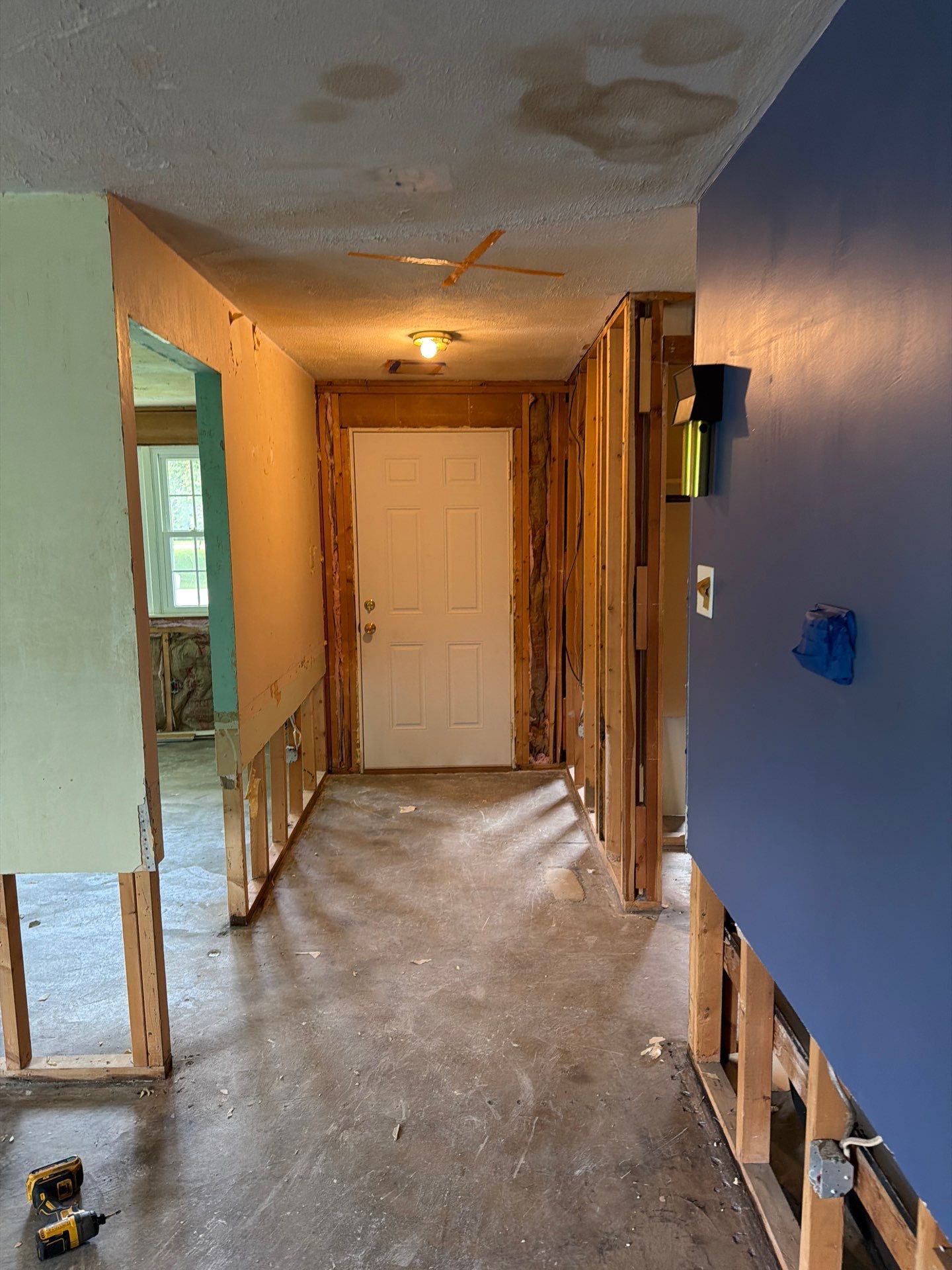
Quick Answer: What You Need to Know
Most water damage jobs in Hickory Ridge Village fall between $1,200 and $5,500 for residential mitigation, with full restoration (rebuild included) running $3,000 to $25,000 depending on category, square footage, and materials. Companies worth hiring carry IICRC certification, provide written scopes, and bill insurance directly. Reviews should mention communication, drying timelines, and how the company handled the claim, not just politeness.
How to Read Reviews for Hickory Ridge Village Restoration Companies
Star ratings are surface noise. The signal is in the wording. Skim 15 to 20 reviews and look for the same themes repeating. A single five-star review that says "great guys" tells you nothing. Ten reviews that mention "showed up in under two hours" and "walked me through my deductible" tell you everything.
Green Flags in Reviews
- Response time stated in hours, not days
- Mentions of moisture meters, drying logs, or daily monitoring
- Specific insurance carriers named (State Farm, Allstate, Erie, etc.)
- Comments about the technician's name, not just "the company"
- Before and after photos posted by the homeowner
- Resolution of a complaint handled publicly and professionally
Red Flags to Walk Away From
- Reviews complaining about surprise charges after work started
- Mentions of equipment left running for weeks with no monitoring
- Pressure to sign an Assignment of Benefits before scope is clear
- No physical address in Hickory Ridge Village or the surrounding metro
- Generic five-star reviews posted in clusters on the same day
- Owner responses that argue with reviewers instead of solving
Where to Look Beyond Google
Google reviews are the default, but they are also the easiest to game. Cross-check what you find on Yelp, the Better Business Bureau, Angi, and Facebook. Look for the same company name on all four. A legitimate Hickory Ridge Village restoration outfit will have a consistent footprint with photos of actual job sites, named team members, and reviews going back several years. If a company has 200 five-star Google reviews but no BBB profile and a Facebook page started six months ago, treat that as a warning.
How Hickory Ridge Village Water Restoration Handles Hickory Ridge Village Calls
When you call Hickory Ridge Village Water Restoration, a real person picks up. We dispatch a certified technician to your Hickory Ridge Village address, usually within 60 to 90 minutes for emergencies. The first visit includes moisture mapping, a written scope, and a direct conversation about your insurance options. If the damage is small enough to handle yourself, we will say so. If it is a category 3 situation, we will walk you through what sewage cleanup actually involves before you sign.
For finished basements, which are some of the most common calls we get in Hickory Ridge Village, the process gets more involved because of flooring layers and possible sump issues. Our guide on flooded basement cleanup and drying covers the timeline and cost in depth.
What Insurance Will and Will Not Cover
- Covered: sudden and accidental events (burst pipe, appliance failure, storm)
- Often covered: water backup with the right endorsement
- Rarely covered: long-term seepage, poor maintenance, ground water without flood policy
- Never covered without flood insurance: rising surface water from outside
Document everything with photos and video before anyone touches the damage. Save receipts. Keep a log of who you spoke with at your carrier and when.
Working With Your Adjuster
The adjuster is not your enemy, but they are not your advocate either. Their job is to settle the claim within policy limits. Your job, and your restoration company's job, is to make sure the scope reflects the actual damage. Ask Hickory Ridge Village Water Restoration to be on site during the adjuster's inspection. Two trained eyes catching wet insulation behind a finished wall is worth more than any negotiation later. If the adjuster's estimate comes in low, your contractor can submit a supplement with photos, moisture logs, and line items that were missed.
What Separates a Pro from a Problem
Certifications That Actually Matter
- IICRC WRT (Water Restoration Technician)
- IICRC ASD (Applied Structural Drying)
- IICRC AMRT (Applied Microbial Remediation) for mold work
- State contractor license where required
- General liability and workers comp on file
Questions to Ask Before You Sign Anything
- Are you IICRC certified, and can I see the card?
- Will you provide a written scope and daily moisture readings?
- Do you bill my insurance directly or do I pay and get reimbursed?
- What is your response time to Hickory Ridge Village addresses?
- Who is my point of contact if something goes wrong?
- Do you subcontract the rebuild or handle it in-house?
Cost Breakdown by Service Type
Pricing varies by IICRC water category (1 = clean, 2 = grey, 3 = black), affected square footage, and how long the water sat before extraction. Here is what Hickory Ridge Village Water Restoration sees across Hickory Ridge Village jobs.
| Service | Typical Range | What Drives the Price |
|---|---|---|
| Emergency water extraction | $400 to $1,500 | Volume, accessibility, time on site |
| Structural drying (3 to 5 days) | $1,200 to $4,000 | Air movers, dehumidifiers, square footage |
| Category 2 grey water cleanup | $2,000 to $5,500 | Disinfection, content removal |
| Category 3 sewage cleanup | $4,000 to $10,000 | PPE, biohazard disposal, demolition |
| Mold remediation add-on | $1,500 to $6,000 | Containment, HEPA filtration, affected area |
| Full restoration rebuild | $3,000 to $25,000+ | Flooring, drywall, cabinetry, paint |
For a detailed line-item walkthrough including equipment day rates and insurance language, see our complete water damage restoration cost breakdown.
Why Two Quotes Can Look So Different
Homeowners often get two estimates that vary by thousands of dollars on the same loss. The reason is almost always scope, not price gouging. One company might quote drying in place with three air movers, while another quotes selective demolition of baseboards and drywall flood cuts to access wall cavities. Both can be valid depending on how saturated the assembly is. Ask each contractor to explain why they chose their approach, what moisture readings they took, and what the failure mode looks like if they are wrong. A pro will welcome that conversation.